
6 Signs It’s Time to Upgrade Your Electrical Panel
Frequent circuit breaker trips can be a significant inconvenience in any household. These trips commonly occur because of overloads, short circuits, or ground faults. Overloads happen when the electrical demand exceeds what the circuit can handle, while short circuits and ground faults involve unintended electrical paths. Identifying the exact cause of the breaker trip is crucial for diagnosing the problem. By understanding these underlying issues, homeowners can take appropriate steps to address them effectively with guidance from local electricians.
1. The Consequences of Frequent Trips
Frequent breaker trips can lead to numerous adverse effects on your home's electrical system. It may cause damage to essential household appliances and even pose a potential fire hazard. Furthermore, these constant interruptions can result in substantial wear and tear on your panel, reducing its lifespan. Ignoring frequent trips could escalate into more severe electrical problems over time. It's crucial to address these issues promptly to avoid costly repairs and ensure your home's safety.
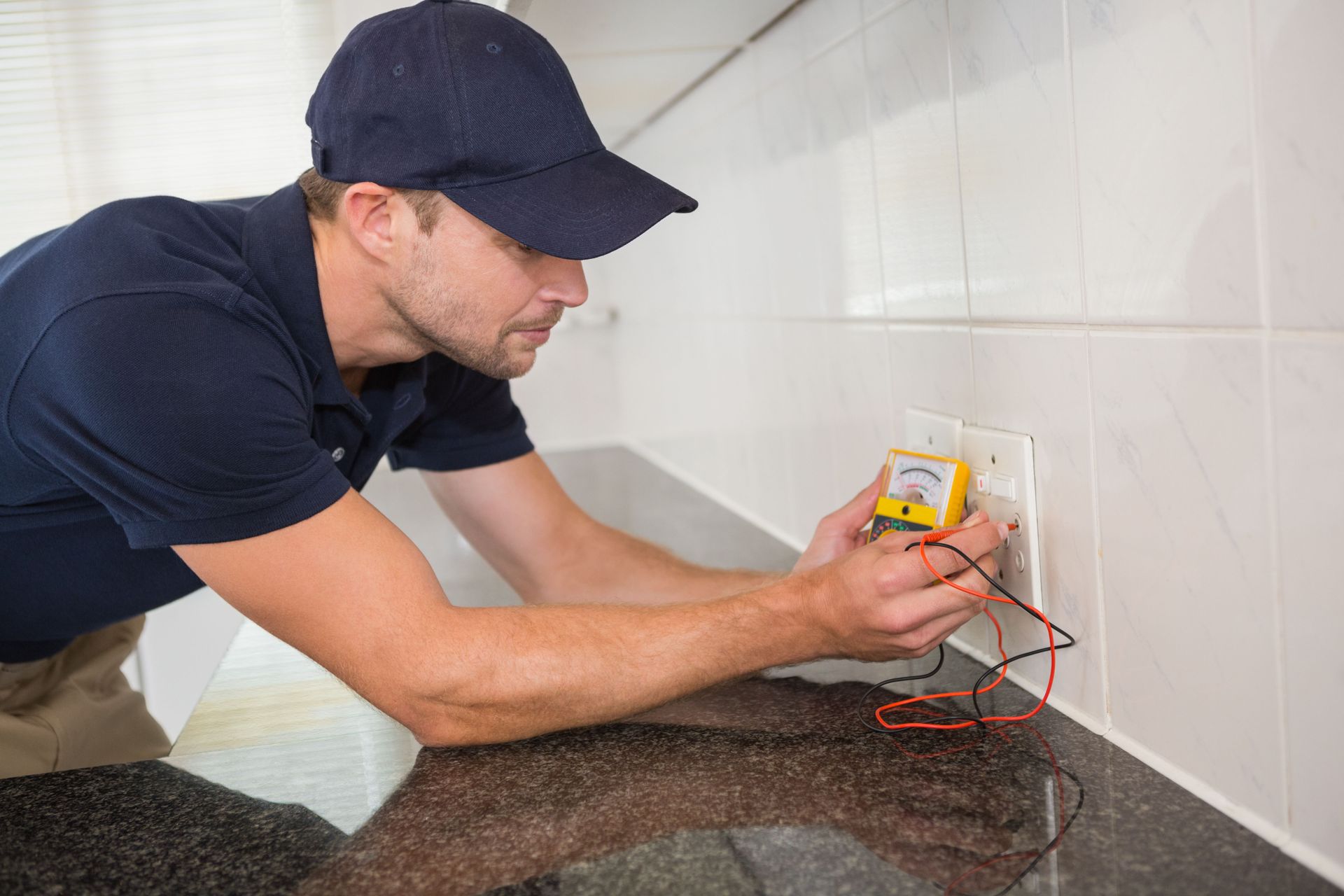
Recognizing when it's time to seek professional help is vital in maintaining your electrical system. If you're experiencing frequent breaker trips despite efforts to resolve the issue, it may be time to consult a licensed electrician. Professionals can offer expertise in diagnosing the root cause and recommend the necessary solutions. Consulting a local electrician not only ensures safety but can also provide peace of mind. It's always better to be proactive by seeking expert assistance before the problem worsens.
2. Insufficient Power Supply for Modern Appliances
Today’s households are filled with various modern appliances that demand a substantial power supply. With technology advancing, homes require more energy to support devices like smart fridges, central air systems, and electric vehicles. Evaluating your current power needs against your panel’s capabilities is crucial for determining adequacy. According to HomeGuide, most major appliances require a dedicated circuit of 20 to 30 amps. This evaluation helps identify if your existing setup suffices or if an upgrade is necessary to accommodate modern energy demands.
Operating with an outdated electrical panel can lead to multiple complications. These panels often struggle to meet the increasing energy demands of modern homes. Additionally, outdated panels may not comply with current safety standards, posing risks of electrical fires. The inefficiency in handling power loads can result in frequent system overloads and malfunctions. Upgrading ensures that your electrical system adheres to safety regulations and efficiently supports household energy needs.
3. Visible Signs of Wear and Tear
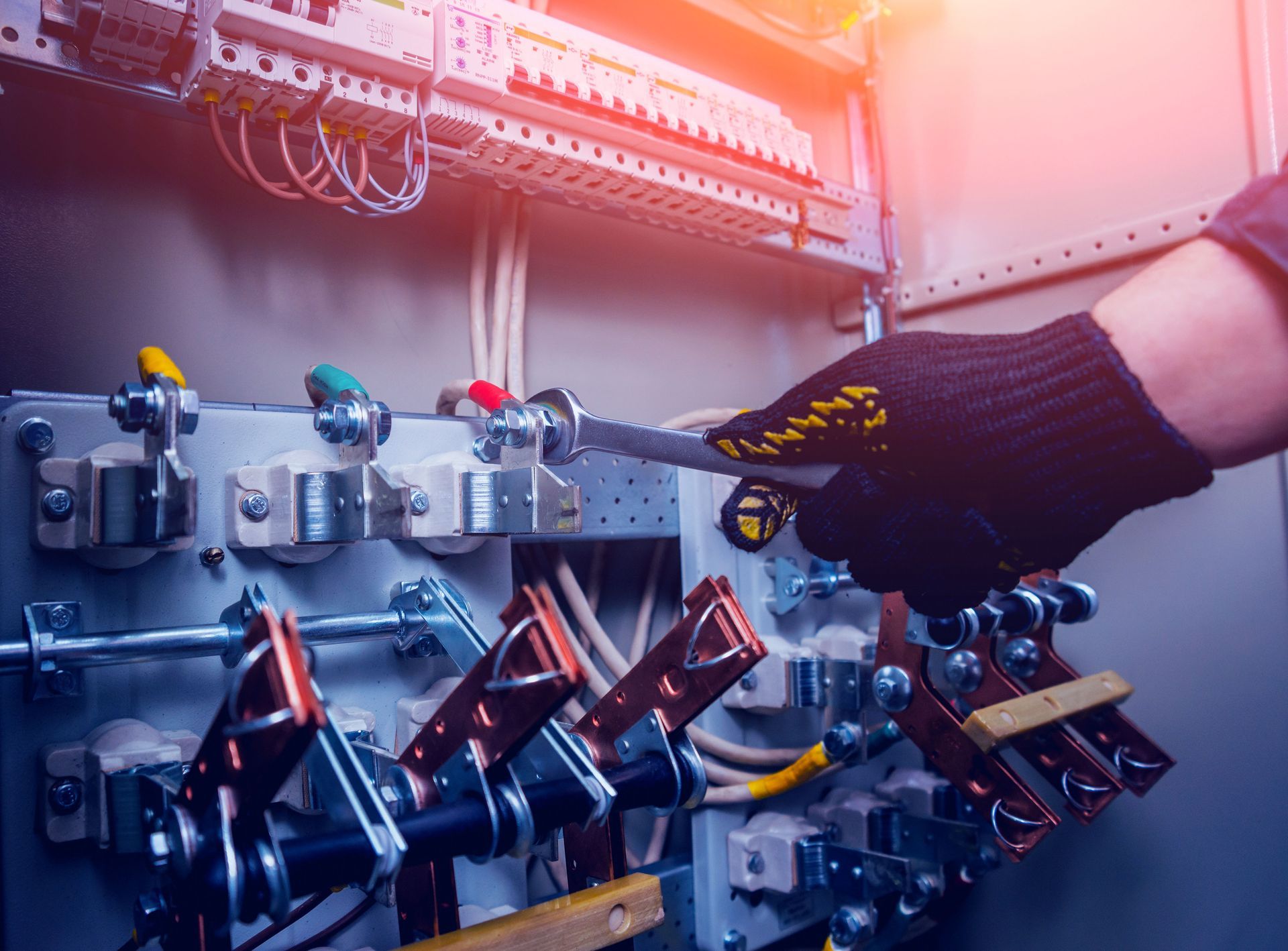
Identifying Physical Panel Damage: Visible signs of wear and tear on your electrical panel should not be ignored. Damage can manifest as cracked or discolored casing, frayed wires, or a visibly aging panel. Recognizing these signs early helps prevent more serious problems later. Regular inspections can identify these issues before they escalate, ensuring that necessary maintenance or replacements occur promptly. Physical damage often indicates deeper electrical problems that need professional attention.
The Implications of Rusty Panels Rusty panels are a critical concern that might hint at underlying moisture exposure. Moisture in the electrical system can cause corrosion, compromising the functionality and safety of your panel. Rust weakens the structure of electrical components, increasing the risk of failure or hazards. Addressing rust-related issues promptly ensures the longevity and reliability of your electrical system. Replacing rusty panels is essential to prevent potential fire hazards and maintain a safe home environment.
4. Flickering or Dimming Lights
Diagnosing the Common Causes: Flickering or dimming lights can be indicative of underlying electrical issues. Common causes include loose connections, voltage fluctuations, or circuit overloads. Identifying the root cause is essential for addressing the issue effectively. Regular checks and diagnosing potential sources of flickering help maintain the electrical integrity of a home. Knowing the common triggers allows for timely intervention and mitigation of more severe problems by local electricians.
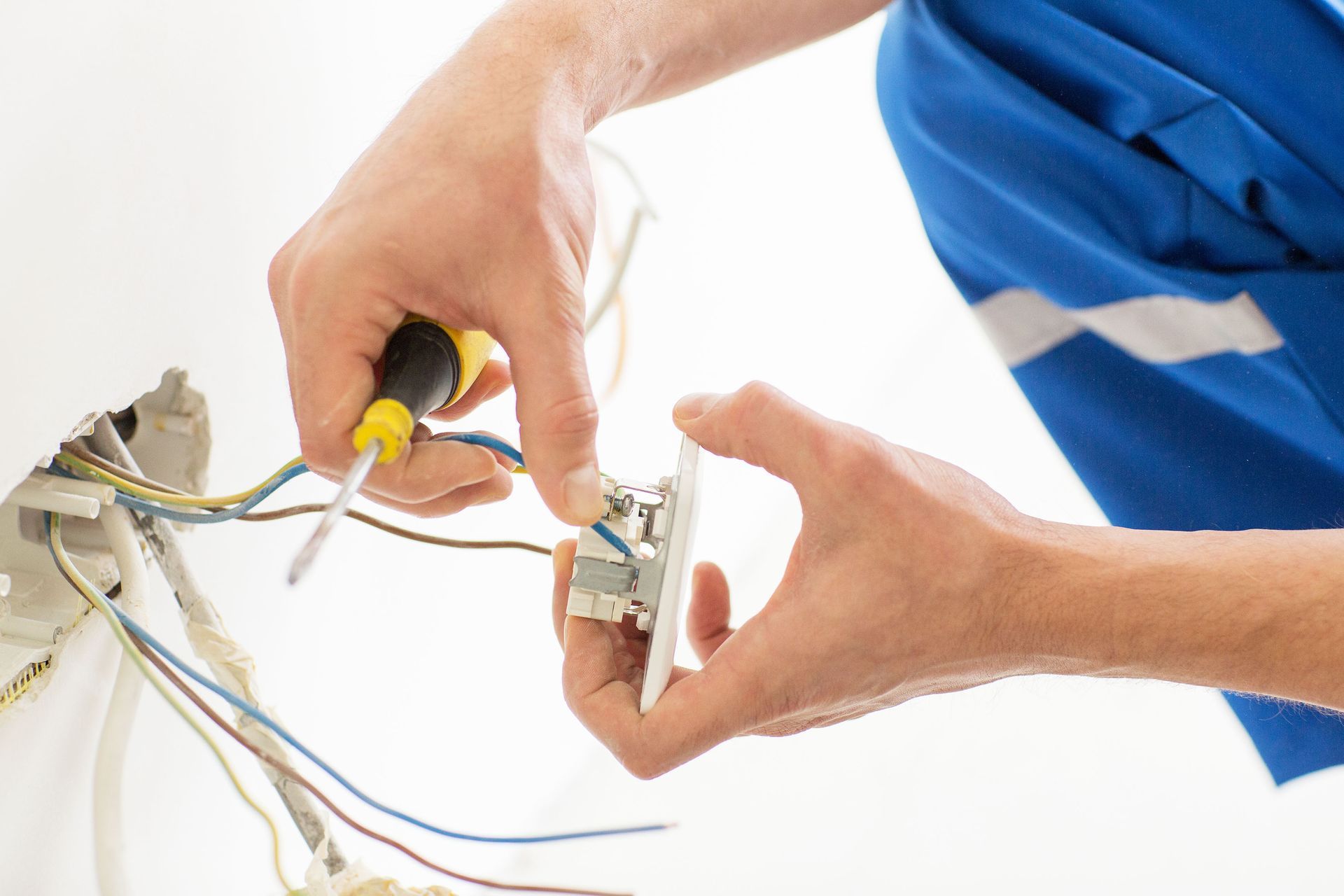
Impact of Loose Connections: Loose connections can severely impact a home's electrical efficiency and safety. They often result in intermittent power loss and can lead to overheating. Overheating increases the risk of electrical fires, posing significant hazards to the household. Ensuring all connections are secure and properly maintained mitigates these risks. Regular inspections of wiring and connections are vital for household safety and performance.
When Flickering Becomes a Red Flag: Flickering lights can sometimes be dismissed as minor inconveniences, but they can become red flags in certain situations. Persistent flickering despite bulb replacement indicates systemic electrical issues. Severe flickering can also signal significant voltage fluctuations, demanding immediate attention. If left unaddressed, these issues could jeopardize safety and cause damage to electrical appliances. Consulting a professional ensures early diagnosis and resolution.
5. Odd Smells or Burning Odors Near the Panel
Immediate Actions if You Notice Odors: Detecting odd smells or burning odors near your electrical panel requires immediate attention. Such odors could signify wiring issues, overheating, or other potential hazards. The first step is to turn off electrical power to that particular area to prevent further complications. It's crucial to contact a licensed local electrician to diagnose and resolve the underlying cause. Prompt action can help prevent severe incidents like electrical fires, safeguarding household safety.
Potential Fire Hazards Due to Odors: Burning odors near an electrical panel are often warning signs of potential fire hazards. These odors may result from overheated wires, faulty connections, or aging components. If ignored, the resulting damage could escalate into dangerous situations. Identifying and addressing the source of the smell is vital in preventing catastrophic outcomes. Safety measures help ensure that homes remain free from unnecessary fire risks.
6. The Electrical System Is Outdated
Indicators of Outdated Systems: Certain indicators clearly show that an electrical system is outdated. Fuses instead of circuit breakers and a lack of GFCI outlets are red flags. Older panels often struggle to accommodate the energy demands of modern technologies. Recognizing these signs allows homeowners to take proactive steps in upgrading their systems. Implementing newer systems provides a safer and more reliable electrical environment.
Comparing Old vs. Modern Panel Features: Modern panels offer several advantages over their older counterparts. These include advanced safety features such as arc fault circuit interrupters (AFCIs) and ground fault circuit interrupters (GFCIs). Additionally, they can support higher energy loads, allowing modern appliances to function without issues. Enhanced efficiency and safety features meet today’s electrical standards, ensuring greater protection for your home. Upgrading to a modern panel increases the system's reliability and functionality.
Impacts on Home Insurance and Resale Value: An outdated electrical system can adversely affect both home insurance and resale value. Insurance companies may view older systems as higher risk, leading to increased premiums. On the real estate market, homes with modern electrical systems are more appealing to potential buyers, boosting resale value. Updating the electrical panel not only aligns with current safety certifications but also enhances the property’s marketability.
Upgrading your electrical panel is a critical home improvement task that ensures safety, efficiency, and reliability. Recognizing the signs of a necessary upgrade can safeguard your home and enhance your lifestyle, preparing you for today’s and tomorrow's energy demands. By addressing these indicators early with assistance from local electricians, homeowners can enjoy peace of mind, knowing that their electrical systems are up to standard. Enhancements in safety and functionality lead to a more efficient household, adding value to your property. According to HomeGuide, taking proactive measures ensures that your home remains a safe haven, equipped to meet modern energy requirements. For professional panel upgrades and ongoing electrical maintenance, contact Empire Electric Inc to secure reliable service and expert guidance.


Share On: